Here is a call we get often. The boardroom is finished. The tiles or the carpet are down, the walls are painted, the big table has arrived. Now the client wants the screens, the microphones, the video conferencing and the laptop connection at the table.
And then the question: how do we get the cables to the table?
By that stage the honest answer is: with difficulty, and at extra cost.
Why the floor matters most
In a boardroom almost everything happens at the table. That is where the microphones are, where people connect their laptops, where power and network are needed, and where the conferencing controls sit. All of those cables have to reach the table from the wall, the rack or the display.
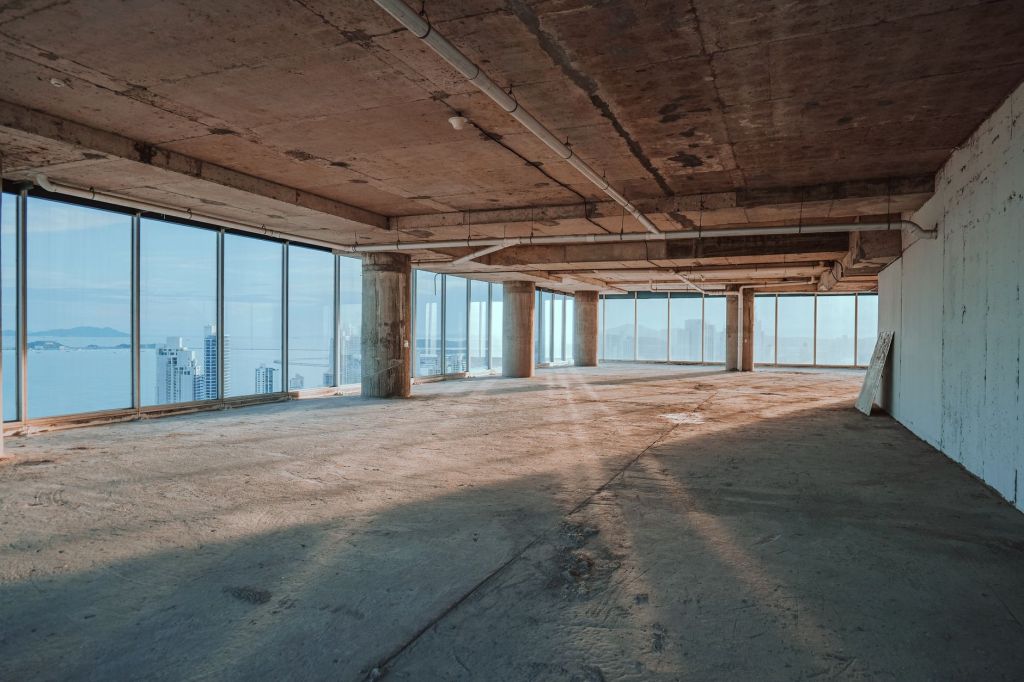
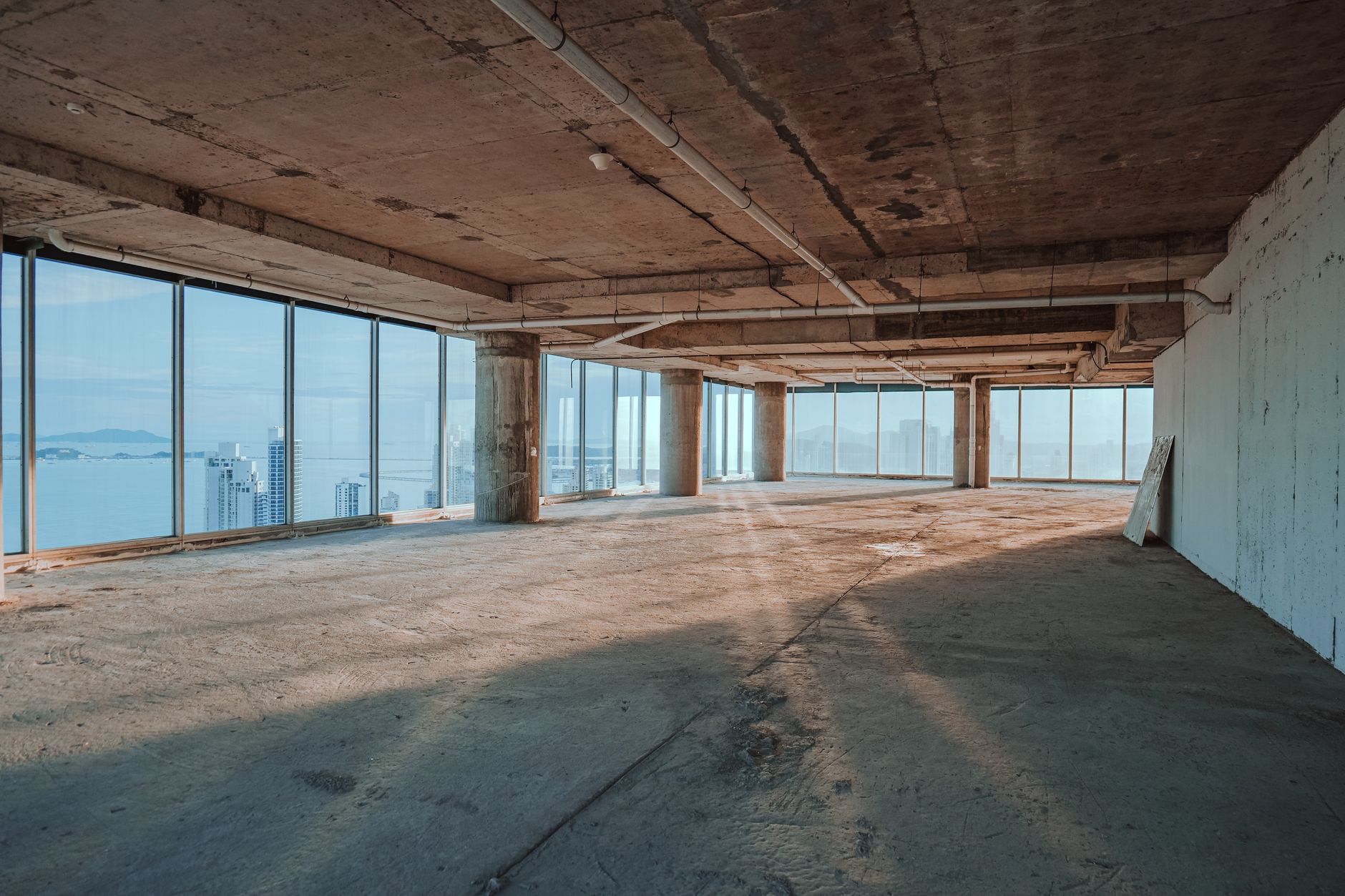
The cleanest route is under the floor, in conduits that come up in a floor box under the table. Once the screed is done and the floor is tiled or carpeted, that route is closed.
What to decide before the floor goes down
- The furniture layout. The table position and size decide where the floor boxes go. If the layout changes later, the floor boxes end up in the wrong place.
- Floor boxes. How many, exactly where, and what goes in them: power, network, AV connections for laptops (HDMI or USB-C), microphone and control cables. Choose boxes with lids that suit the finish, carpet or tile.
- Conduit routes. From each floor box to the wall, the display position and the rack. Size the conduits with spare capacity, leave draw wires in them, avoid tight bends, add pull boxes on long runs, and keep power and signal cables apart.
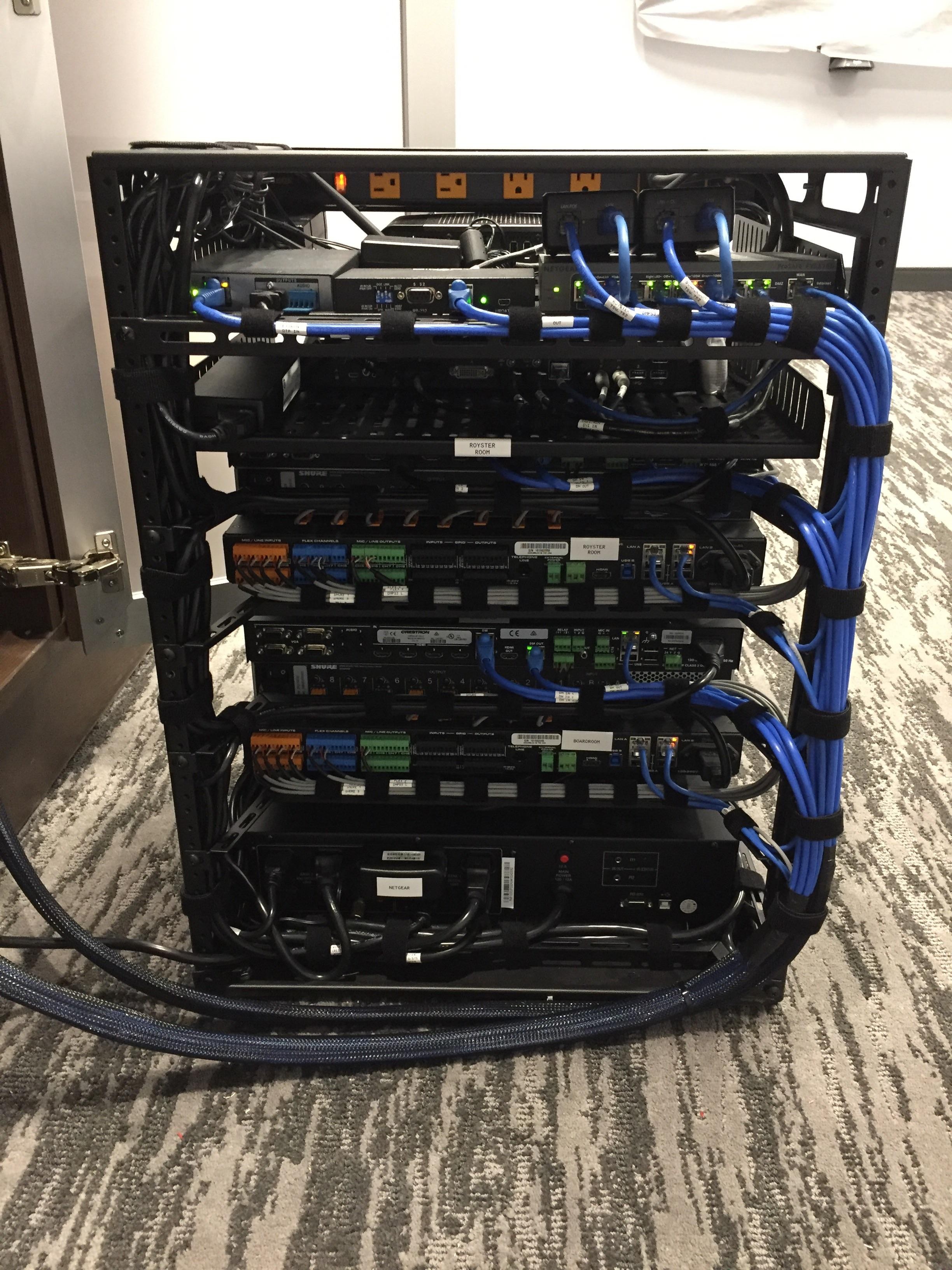
- The rack position. In the room, in a cabinet or credenza, or in a nearby AV or IT room. It needs power, network, ventilation and access for maintenance. Distance matters too: a plain HDMI cable is only reliable over short runs, so longer runs are usually done with HDBaseT over Cat6, which is rated up to about 100 metres.
- The display wall. Strong backing for the mounts, and power and conduit behind the screen at the right height.
- The ceiling. Positions for speakers, ceiling microphones and cameras, agreed before the ceiling is closed.
- Power. Proper circuits for the rack and the display wall, not an extension cable from the nearest socket.

What under-carpet cabling can and cannot do
When the floor is already finished, one option is flat under-carpet cabling. It can rescue a room, and we have discussed it on many projects. But it has limits:
- Only certain cable types are available in a flat format.
- It can show through as lines or bumps in the carpet, and it wears where chairs roll over it.
- Adding or changing cables later is difficult.
- With carpet tiles it is easier. Under broadloom carpet it is harder. Under porcelain or ceramic tiles it is not really an option at all.
So it is a fix, not a plan. Conduits and floor boxes put in at the right time are always the better solution.
Why late decisions become expensive
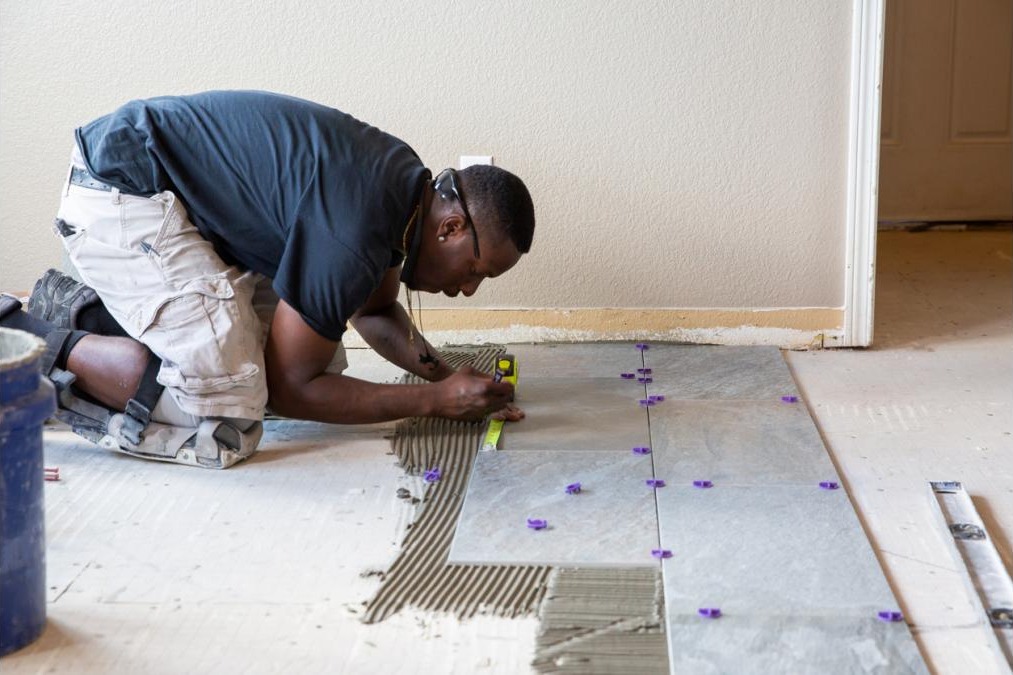
- Finished floors have to be cut or core drilled, then repaired, and the same tiles may no longer be available.
- Surface trunking or cable covers across the floor look bad and become a trip hazard.
- Equipment goes where a cable can reach, not where it works best.
- Extra labour, extra materials and delays right at handover, when everyone wants to move in.
None of this is because AV is expensive. It is because the decisions came after the finishes, instead of before.
Plan the budget at the same time
You do not need to buy the screens and the cameras on the day the floor is laid. But you do need the design, the infrastructure and at least an estimated AV budget at that stage. The equipment can come later, even in phases, as long as the cables have a way to get there.
I wrote more about this in Why AV is never planned in time.
A simple checklist before the flooring contractor starts
- Furniture layout agreed
- Floor box positions marked on the drawing and on site
- Conduits laid, with spare capacity and draw wires
- Rack position, power and ventilation decided
- Display wall backing, power and conduit in place
- Ceiling positions for speakers, microphones and cameras agreed
- AV budget estimated, even if the equipment comes later
If your boardroom is still at screed level, this is the right time to call. Talk to us at PRO AV Africa or message me on WhatsApp, before the carpet goes down.
Photos: Pexels.

