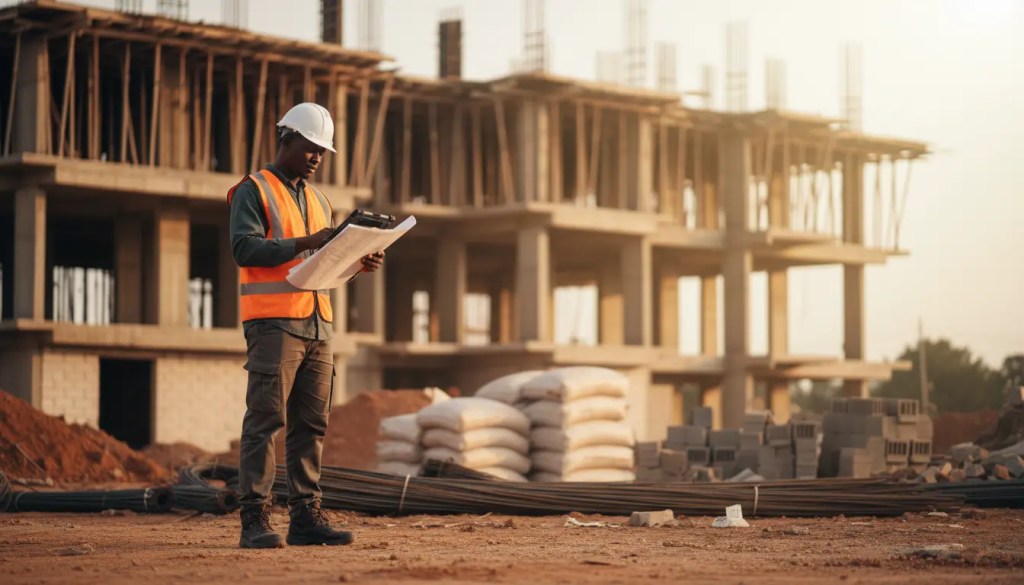
Almost every week I walk into a building that is nearly finished and hear the same sentence: “Now we need the sound system, but the money is finished.” It might be a church that took ten years to build, a new office block, or a beautiful family home. The cement, bricks, tiles and furniture were all planned and paid for. The technology was not.
This is not a Uganda problem only. AV consultants and integrators all over the world complain about it. But here the gap is bigger, and the people who pay for it are the owners.

The story I keep hearing
A church committee spends three to four billion shillings on construction. When the building is almost done, they call us and say they have UGX 100 to 300 million for AV. They want clear sound for every seat, screens the back rows can read, live streaming for members abroad, and a system that will last for years. In other words, they want the best.
At today’s exchange rate of roughly UGX 4,200 to 4,500 to the US dollar, UGX 100 million is about $23,000 and UGX 300 million is about $70,000. The building itself cost somewhere around $700,000 to $900,000. So the AV is being squeezed into 3% to 10% of the project, and only because that is what was left over.
Homes are the same. A house with marble floors and imported light fittings ends up with a soundbar under the TV, because by the time anyone thinks about music, cinema or Wi-Fi in every room, the walls are plastered and the budget is gone. In most homes, even networking is not planned.
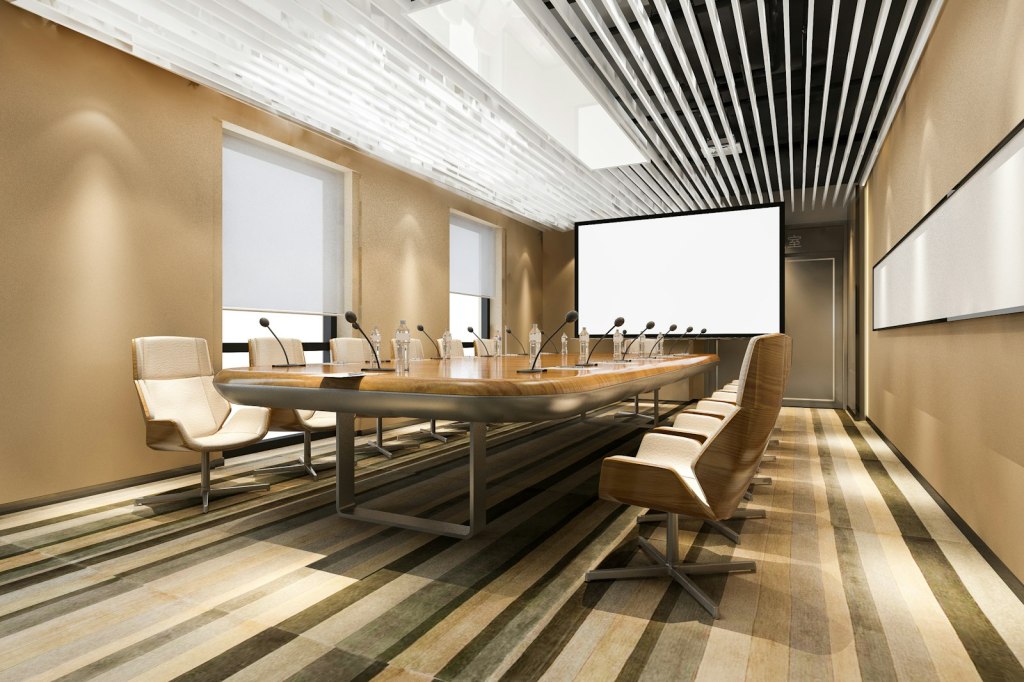
Offices and boardrooms follow the same pattern. A meeting room for $10,000 to $20,000, including the screens, cameras, microphones and control, is called expensive. Yet the same company spent more than that on the furniture and finishes in that room.
What the rest of the world budgets
In church projects abroad, technology is planned as part of the building, not as an extra. One long-time church AV consultant writing for rAVe suggests setting aside about 8% of the construction budget for a basic system, 12% to 15% for a solid one, and 20% to 22% for a venue that does serious production. Church AV specialists in the US quote a full system at roughly $1,000 to $1,500 per seat, and give the example of a 200-seat church targeting about $250,000 for AV.
Put that next to our numbers. A church that spent $800,000 on its building and offers $25,000 for AV is not being careful with money. It is setting itself up for a system that will disappoint everyone who sits in that hall. And when we propose a $400,000 system for a large cathedral, that is still modest by international standards. We do not design with the most expensive brands in the world. We design with brands that are sold and supported here in Uganda, because a system is only as good as its after-sales and local support.

Why AV is never planned in time
After many years of doing this, I think it comes down to a few simple reasons.
- It is not in the drawings. Architects and quantity surveyors work with the trades they know: structure, plumbing, electrical, sometimes networking. AV has no line in the BOQ, so it has no money.
- People think AV is equipment, not infrastructure. They imagine buying speakers and a TV at the end, like furniture. In reality AV needs conduits, cable routes, power at the right places, fixing points in the structure, a rack position and good acoustics. Those belong to construction.
- Nobody owns it. There is an architect, a structural engineer and an electrical consultant, but rarely an AV consultant. The electrical engineer adds a few sockets and the subject is closed.
- Shop prices set the expectation. Owners compare a professional system with the price of a TV or a party speaker in town, so any real design looks expensive.
- The contingency is gone. Every building runs over somewhere. By the end, the extra money has been used on the structure and finishes, and technology is the easiest thing to cut.
What it costs you to do it late
Leaving AV to the end does not save money. It moves the cost and usually adds to it.
- Walls and ceilings are opened again to run cables, or ugly surface trunking is fixed on new paint.
- Speakers and screens go where they can be mounted, not where they work best, because there are no fixing points or power.
- A hall full of hard surfaces turns out to have echo, and fixing acoustics after the finishes are done costs far more than planning it with the architect.
- The system is cut down to fit the leftover budget, so the owner ends up with a building that looks finished but does not work for its purpose.
US church AV designers estimate that infrastructure alone, meaning racks, conduit, cabling, power and installation work, often takes 20% to 25% of the AV budget on a new build. That part is cheap while the walls are open and expensive once they are closed.

“Your design is too expensive”
I hear this often, and I understand it. When the money is already spent, any number looks too big. But the price was never the problem. The problem is that the number arrived late.
A good boardroom at $10,000 to $20,000 will be used every working day for many years. A church sound system serves every service, every wedding and every funeral for ten years or more. Spread over its life, AV is one of the cheapest parts of the building, and it is the part people actually experience. Nobody leaves a service talking about the bricks. They talk about whether they could hear the sermon.

What to do instead
Whether you are an architect, a building committee, a developer or a family building a home, these steps will save you money and frustration.
- Bring in an AV consultant at the design stage, when the room sizes, seating and use are known. Not when the painters arrive.
- Put an AV line in the budget from day one. For churches and halls, use the international guide above as a starting point. For offices and homes, ask for an early estimate before the BOQ is final.
- Get AV on the drawings. Conduits, back boxes, cable routes, power, data points and the rack position should appear on the electrical and architectural drawings.
- Plan the acoustics with the architect. The shape and finishes of a room decide how good the sound can ever be.
- If money is short, build the infrastructure now and add equipment later. Pipes and cables in the walls cost little during construction. Speakers, screens and cameras can follow in phases.
- Budget for training and support, so the people who use the system every week can run it with confidence.

A simple ask
Treat technology like electricity: plan it, draw it, budget it and build it with the building. You would never finish a church and then ask how to bring in power. Sound, video and control deserve the same respect, because today they are how people experience the space.
If you are planning a church, an office, a hall or a home and want to get AV right from the start, talk to us at PRO AV Africa or message me on WhatsApp. The earlier we talk, the more we can do with your budget.
References
- Solutioneering: Helping Churches Define AVL Budgets, rAVe Publications
- The Biggest AV Mistake Churches Make During Construction Projects, Churchfront
- Provide Early Budgets: Win More Projects and Reduce Cost Overruns, AVIXA
- Why AV Should Be Part of the Construction Plan, Diversified
Photos: Unsplash. Exchange rate approximate at the time of writing.