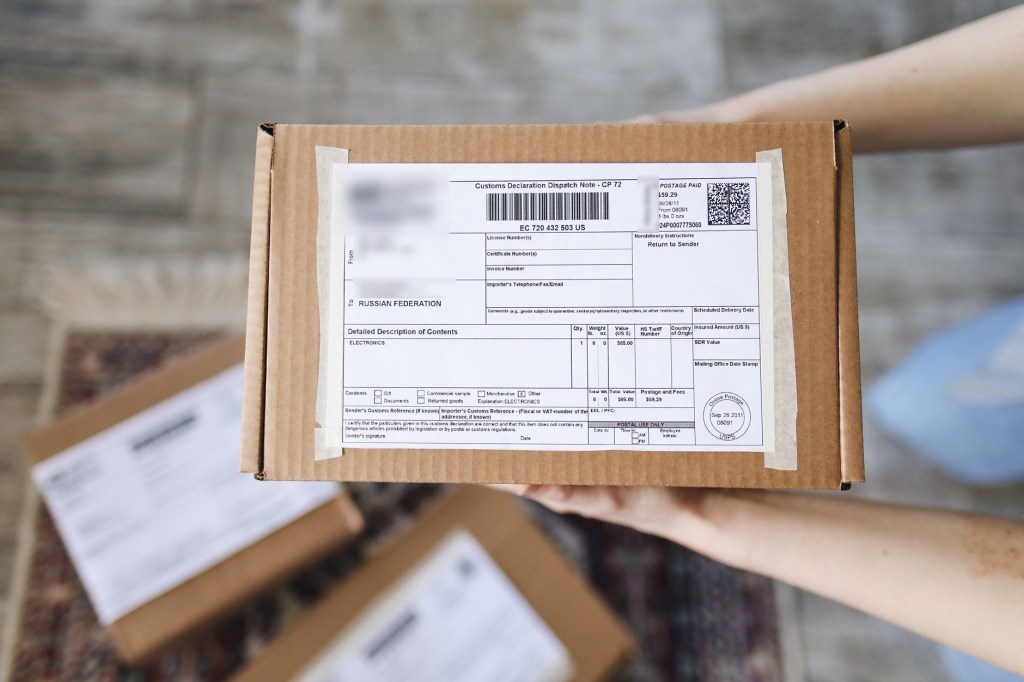
Sometimes clients tell us our prices are high. Then they show us a price from Amazon, a website in the US, or a shop in Dubai.
I understand the comparison. But it is not apple to apple. The online price and the local price are not paying for the same thing.
What is inside a local price
When you buy from a local distributor, the price already includes things the online price leaves out:
- Shipping and freight all the way to Kampala.
- Import duty and taxes, paid in full.
- Pre-export inspection under the UNBS PVoC programme, which imported goods need before they are cleared.
- Managed stores, so the item is here when you need it.
- Local warranty, handled in Uganda.
- Local support: engineers, spare parts and standby units.
This is not only about PRO AV Africa. It is true for any item you buy from any proper local distributor. Even when the local price is a bit higher, over the life of the system it usually works out cheaper.
When something goes wrong
Every product can fail. The question is what happens next.
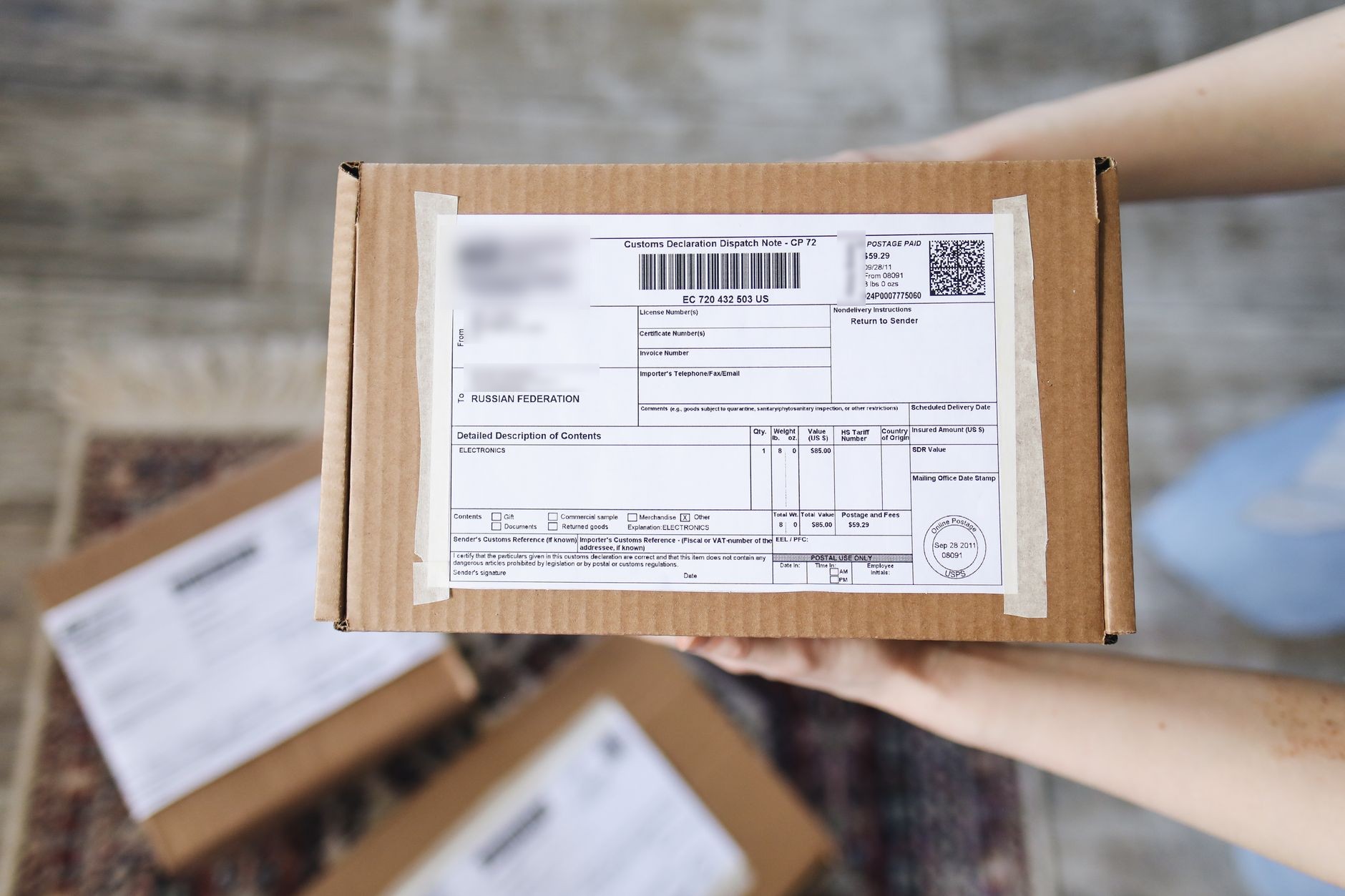
If you bought it abroad, you ship it back to the seller at your own cost, then you wait for a replacement. Very often the seller or the brand will ask where you bought it and where it is installed. When they hear Uganda, many will tell you there is no warranty, because that product was never supposed to be sold into this country. Your warranty is void.
If you bought it from the local distributor, you bring it in, and it is handled here.

Products are made for a region
Many people do not know this: manufacturers often build different versions of the same product for different parts of the world. Some examples:
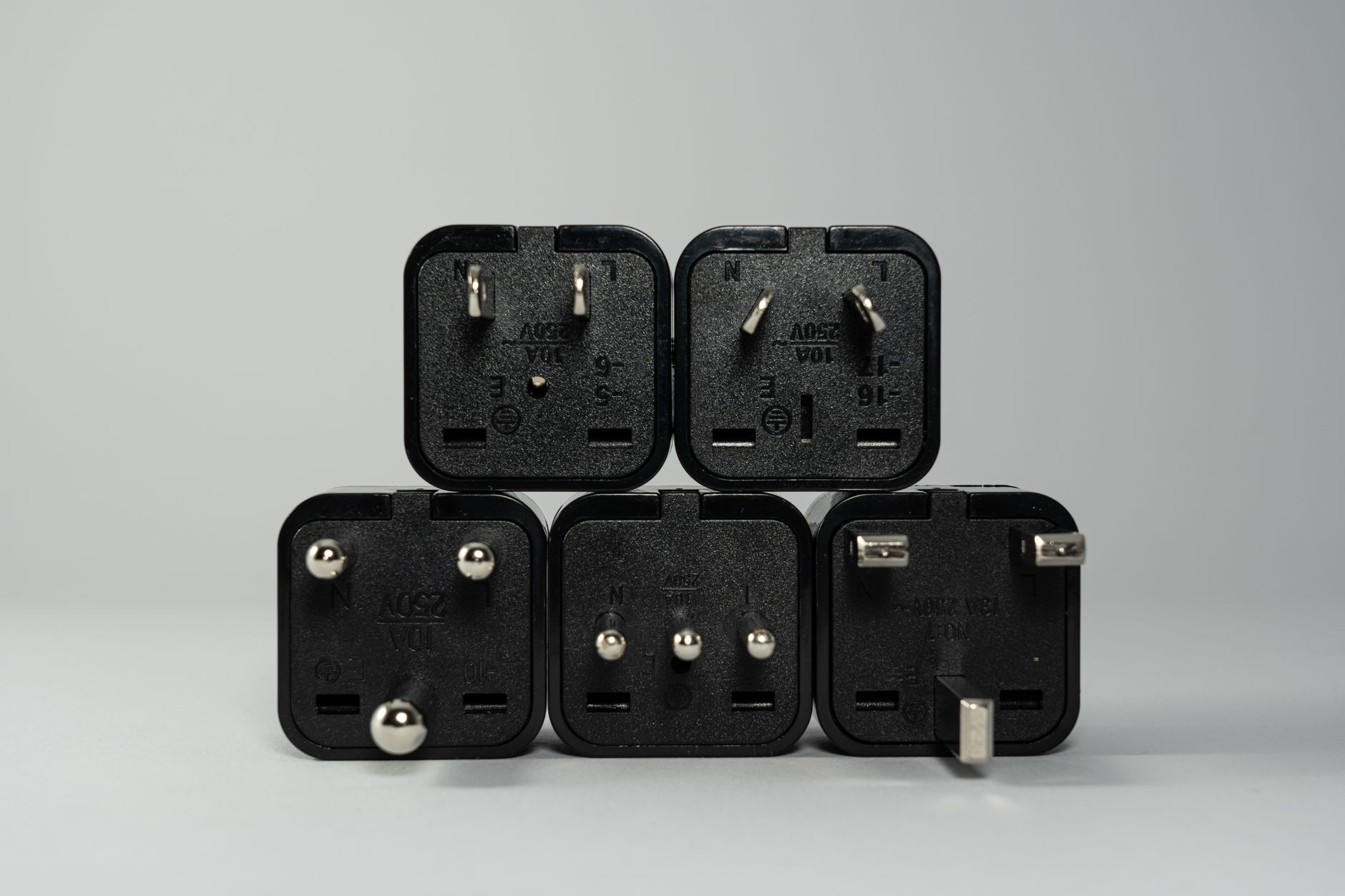
- Power. Uganda runs on 240V, 50Hz, with UK-style plugs. Equipment made for the US market is often designed for 120V, 60Hz.
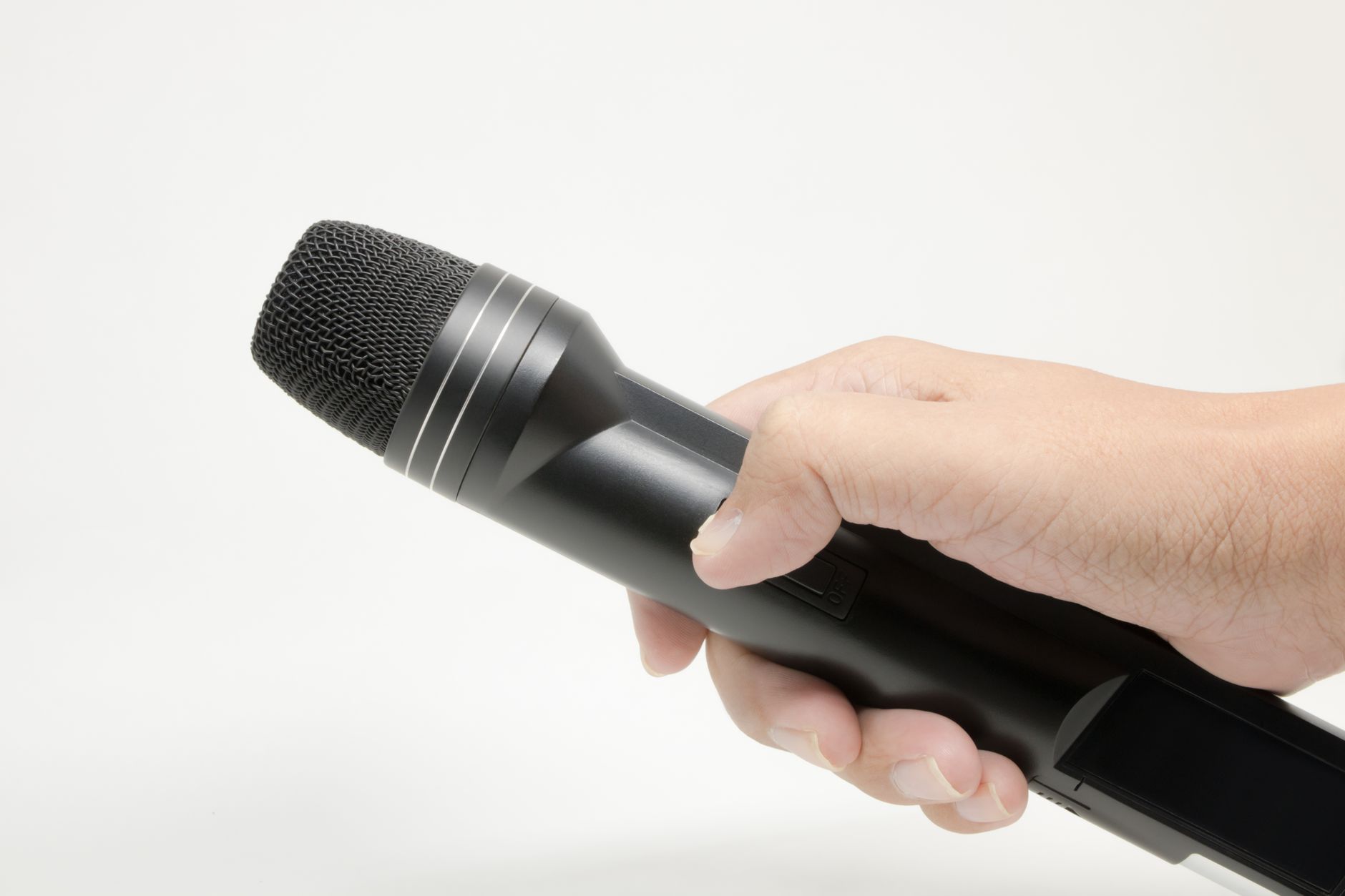
- Wireless microphones. Each country allows different radio frequencies. A wireless system made for another region may work on a band that is not permitted here, or that clashes with local TV and other licensed users. In Uganda, radio frequencies are regulated by the UCC.
- Region codes and firmware. Some products carry regional codes, regional firmware or features that only work in the market they were made for.
- Licences and cloud services. Software licences, apps and online services are sometimes tied to the region where the product was registered.
So a product from the USA or elsewhere, bought outside the right channel, can be a slightly different product from the one the local distributor sells, and you stand to lose.
“But it has an international warranty”
Let us say you bought a brand that has a local distributor, and the online seller promised an international warranty.
In practice, many brands limit warranty to the region where the product was sold. If you bought it online abroad, the local distributor often has the right to refuse to support it, or will charge you for support, and not at a lower rate. If you had bought the same product through the local channel, the warranty and support would have been included.
A case from our own work
[Boaz: the sound system case goes here.]
Compare like with like
Before you decide that the online price is cheaper, ask any seller these questions:
- Is this exact model meant for the Ugandan market?
- Who gives the warranty in Uganda, and for how long?
- Where are the spare parts?
- Who supports it locally, and what does support cost?
- Are shipping, taxes and inspection already in the price?
If the answers are “no”, “nobody” or “I don’t know”, the cheap price is not cheap. Cheap is expensive.
I wrote about a related problem in Free advice, overseas shopping and the real cost of saving 20%.
If you want a like-for-like price on your project, talk to us at PRO AV Africa or message me on WhatsApp.
Photos: Pexels.